
Have useful context ready when work begins.
A morning briefing or a weekly review becomes more useful when it arrives consistently. Connect a scheduler to the right agent workflow and give each run a clear source, destination and completion check.
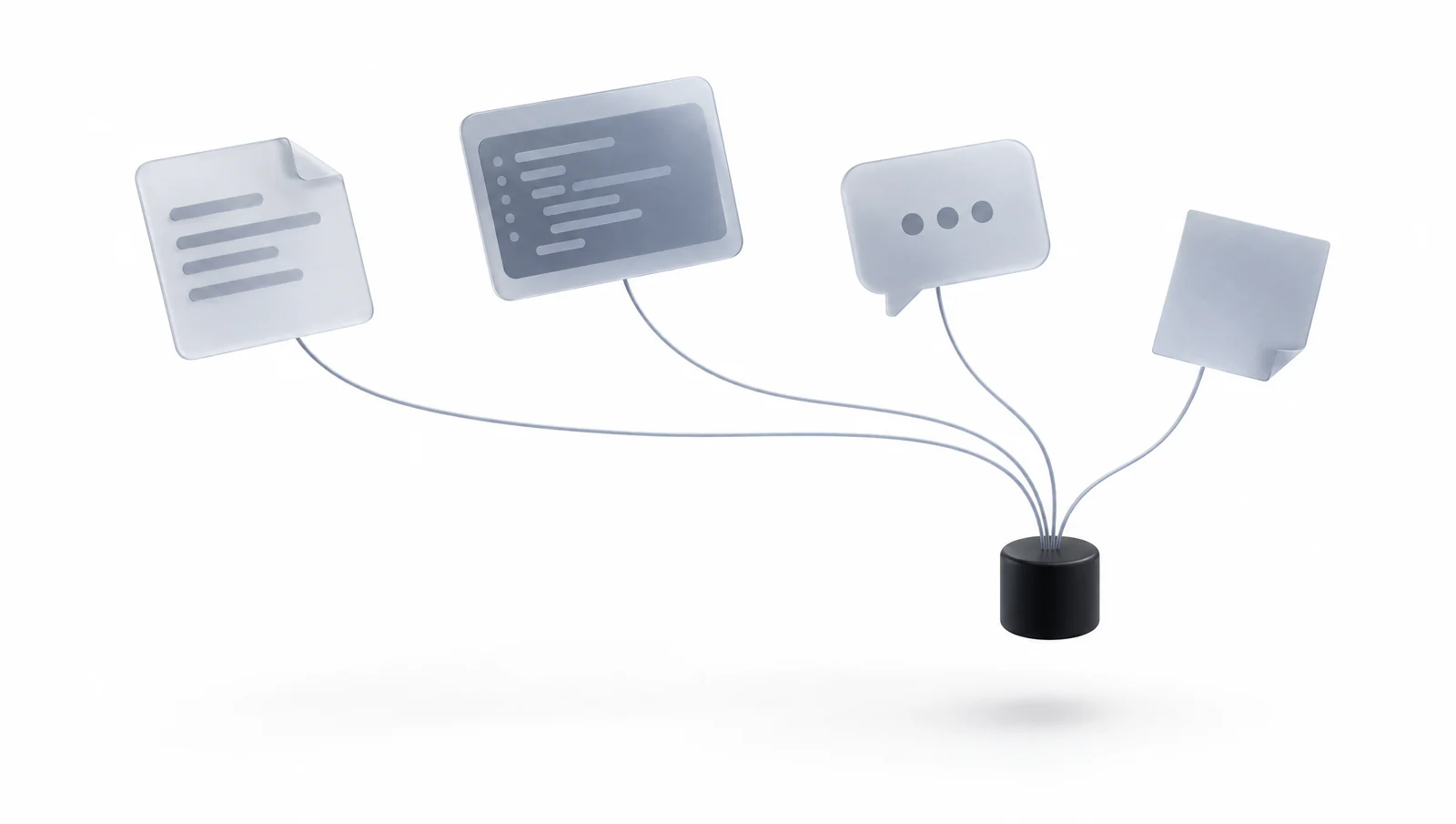
Illustrative workflow
Prepare a project briefing every Monday before our planning meeting.
A configured runner starts the briefing workflow, reads the permitted project sources and saves a dated report. The schedule, execution tools and any delivery step are configured in that runner.
Illustrative scenario, not a live product result.Choose the trigger and the skill.
The host scheduler or connected agent harness owns the calendar. Its workflow names the skill, input sources, time zone and destination for the result. Start with a small successful run, then set the recurrence. Memrain's scheduling guidance includes staggering work and holding notifications during quiet hours; these are instructions for the configured workflow, rather than a hosted scheduling interface.
Make repeat runs easy to inspect.
Server-side work can use durable jobs when the installation has a registered handler for the task. The scheduler submits that handler with an idempotency key, and the operator can inspect progress, logs and completion. A general agent workflow runs in its connected execution environment. Saving a dated report and a checkpoint gives the next run a clear starting point and helps prevent duplicate output.
Keep the memory cycle focused.
Memrain already schedules its own index maintenance and enabled synthesis phases. Recurring workflows should add work around that cycle, such as preparing a review from saved context. Reading an external account, publishing a report or sending a message requires the corresponding connected tool and authorization. The workflow can save its result in memory even when delivery is held for review.
Keep the context. Move the work forward.
Connect your knowledge to the AI you already use. Find your starting point and make the next conversation count.